Agrega Uncategorized What Travelers Should Verify Before Following Online Route Updates, Local Advisories, and Destination Information 링크모음 바로가기

What Travelers Should Verify Before Following Online Route Updates, Local Advisories, and Destination Information 링크모음 바로가기

What Travelers Should Verify Before Following Online Route Updates, Local Advisories, and Destination Information

Travel plans can change quickly after a trip begins. Roads close, train schedules change, ferries are canceled, weather affects outdoor attractions, and local authorities may introduce temporary restrictions with little notice.

Travelers often discover these changes through maps, social media, travel groups, hotel messages, or search results. The challenge is deciding which update is current enough to act on.

A simple verification process can prevent unnecessary detours and help travelers respond to real changes without reacting to outdated information.

Start With the Time of the Update

A travel alert is useful only if it still applies.

Check the publication time and date before changing a route or canceling an activity.

An advisory from yesterday may already have been resolved.

Look for an Expiration Time

Temporary closures and restrictions often have an expected ending time.

A notice may apply only during construction, severe weather, a public event, or a particular part of the day.

Read the full notice rather than only the headline.

Identify Who Issued the Information

Different sources have different levels of authority.

Transport operators, road agencies, local governments, airports, parks, and attraction operators can provide direct information about services they control.

Travel forums and social posts can provide useful observations but should be treated as secondary sources.

Check Whether the Update Refers to the Exact Location

Similar road names, stations, districts, or attractions can create confusion.

Confirm the city, route number, station, terminal, or entrance mentioned in the notice before assuming it affects your itinerary.

Keep General Web Navigation Separate From Active Travel Alerts

Travelers may use maps, transport websites, local authority pages, destination guides, weather services, and general web resources at the same time.

For broader Korean-language web navigation, users can keep a general 링크모음 바로가기 separately, while active route changes, official advisories, transport notices, and destination restrictions remain grouped around the specific trip.

This makes it easier to distinguish ordinary browsing from information that may require immediate action.

Confirm Road Closures With an Authoritative Source

Map applications can identify many road disruptions quickly, but they may not explain the full reason or expected duration.

For major closures, check the responsible road authority or local transportation agency where possible.

Distinguish Full Closures From Partial Restrictions

A road may be completely closed, limited to one direction, restricted to certain vehicle types, or open only during specific hours.

The exact restriction matters when choosing an alternative route.

Watch for Construction Detours

Temporary construction can change entrances, intersections, pedestrian routes, and parking access.

A navigation app may direct travelers toward a location that is technically correct but difficult to access during construction.

Check Mountain and Rural Roads Carefully

Mountain roads may close because of snow, landslides, flooding, or seasonal conditions.

A route shown on a general map is not proof that the road is currently passable.

Do Not Rely Solely on Historical Street Images

Street-view imagery can be useful for understanding an unfamiliar route, but it may have been captured months or years earlier.

Recent construction or traffic restrictions may not appear.

Verify Public Transport Changes

Train, metro, and bus schedules can change because of maintenance, strikes, special events, or operational problems.

Use the transport operator’s current service-status information when a connection matters.

Check Whether a Change Is Planned or Unexpected

Planned maintenance is often announced days or weeks ahead, while unexpected disruption may be reported only shortly before travel.

Both can affect the itinerary, but they require different planning responses.

Look for Replacement Transport

Rail closures may be accompanied by replacement buses or alternative routes.

The replacement may take longer than the original journey, so travelers should check the revised travel time.

Check the Exact Station

Large cities often have stations with similar names.

A service disruption affecting one branch or station does not necessarily affect the entire network.

Verify Airport Information Separately

Airport transport can be affected by road closures, train maintenance, or terminal changes.

When catching a flight, confirm both the flight information and the route to the airport.

Check Terminal Changes

Airlines may operate from different terminals depending on destination or operational needs.

A terminal listed in an old guide should not replace the current flight information.

Watch for Ferry and Boat Cancellations

Ferries can be particularly sensitive to wind, waves, mechanical issues, or seasonal schedules.

Check with the operator before traveling to the port when conditions are uncertain.

Check the Next Available Service

If a ferry, train, or bus is canceled, the next departure may not be soon.

Knowing the frequency helps determine whether waiting or changing the itinerary is more practical.

Use Weather Information Appropriate to the Location

A city forecast may not accurately describe conditions in nearby mountains, islands, or coastal areas.

Check the forecast for the actual destination rather than the nearest major city when local conditions matter.

Distinguish Forecasts From Warnings

A normal forecast describes expected weather.

An official warning can indicate potentially hazardous conditions requiring additional precautions or changes to plans.

Travelers should understand which type of information they are reading.

Check Weather Warning Times

Warnings often apply to specific hours or regions.

A storm alert for the evening may not affect a morning activity, while a morning warning may have expired by afternoon.

Look for Local Flood Information

Heavy rain can affect individual roads and neighborhoods differently.

Local authorities may publish road closures or flood notices that provide more practical detail than a general weather forecast.

Check Wildfire or Smoke Advisories

In some regions, wildfire conditions can affect roads, parks, air quality, and outdoor activities.

Travelers should use current local information rather than relying on an itinerary created weeks earlier.

Verify Trail and Park Closures

National parks and natural areas may close trails because of weather, maintenance, wildlife activity, fire risk, or safety concerns.

Check the managing authority before starting a long journey to a trailhead.

Confirm Seasonal Access

Some roads, mountain passes, visitor centers, and park facilities are open only during part of the year.

A travel guide may describe the summer experience even when the traveler is visiting in winter.

Check Attraction Notices

Museums, historic sites, theme parks, and other attractions can change hours or close individual sections temporarily.

The official attraction page is generally more useful than an old travel article for current operating conditions.

Verify Timed Entry

A destination may remain open while requiring reservations for specific time slots.

Check whether same-day entry is realistically available before traveling across a city to the attraction.

Look for Special Event Restrictions

Festivals, races, demonstrations, conferences, and major sporting events can change traffic, public transport, and access to tourist areas.

Local event information can explain temporary conditions that ordinary destination guides do not mention.

Check Local Holiday Schedules

Public holidays can affect shops, banks, museums, transport, and public offices.

A normal weekday schedule may not apply during the holiday period.

Be Careful With Social Media Posts

Social media can reveal disruptions faster than traditional websites.

However, old images and posts can be reshared without context.

Always check the original date before acting.

Look for the Original Source Behind a Screenshot

A screenshot of a road closure or weather warning may no longer represent the latest situation.

Search for the original authority or operator and check whether a newer update exists.

Use Local Groups for Practical Observations

Local community groups can provide useful reports about traffic, queues, access, and current conditions.

These observations are valuable as context but should not automatically replace official closure or safety information.

Compare Several Reports During Fast-Changing Situations

When conditions are changing quickly, one source may update before another.

Compare the responsible authority, operator, recent local reports, and map information before making a major change.

Check Whether Multiple Sites Are Copying the Same Alert

Ten websites reporting the same information may all be reproducing one original notice.

Finding the primary source gives travelers the best chance of seeing later corrections or updates.

Watch for Automatic Translation Problems

Local advisories translated automatically can occasionally distort street names, times, or technical terms.

When the information is important, compare the translated version with the original notice or another reliable translation.

Check Local Time

Travelers checking updates from another time zone can misread timestamps.

Make sure the advisory time refers to the destination’s local time.

Pay Attention to Date Format

A date such as 04/05 can mean April 5 or May 4 depending on the country.

When there is any ambiguity, confirm the written date or surrounding context.

Verify Destination Entry Information

Local access requirements, permits, visitor restrictions, or temporary rules can change.

For formal requirements, use the responsible authority rather than relying only on travel blogs.

Check Whether the Advice Applies to Tourists

Some local notices may apply only to residents, commercial vehicles, permit holders, or specific categories of visitors.

Read the full details before assuming the restriction affects everyone.

Confirm Vehicle Restrictions

Cities may restrict certain vehicles in historic centers, environmental zones, or pedestrian areas.

Rental-car travelers should check whether permits, tolls, or registration procedures apply.

Look for Parking Restrictions

Temporary events or construction can remove normal parking areas.

A parking recommendation from an older guide may therefore no longer be practical.

Verify Border and Crossing Information

Land crossings and ferry borders can have specific operating hours or temporary restrictions.

Travelers should confirm the correct crossing rather than assuming every nearby border point operates continuously.

Check Travel Documents From Official Sources

Visa, passport, customs, and immigration requirements are too important to rely on an old discussion thread.

Use current information from the responsible government or official authority.

Do Not Change a Route Based on One Unverified Comment

A traveler may report that a road is closed when the problem actually affected only one entrance or a short period.

Check another source before committing to a long detour.

Compare the Cost of the Alternative Route

A detour may involve tolls, fuel, additional train tickets, taxi fares, or another hotel night.

Understand the total impact before changing plans unnecessarily.

Compare Travel Time Too

The shortest alternative distance may not be the fastest route.

Traffic, ferry waiting times, mountain roads, and border crossings can significantly affect travel duration.

Keep a Backup Route

Travelers using remote roads, ferries, or limited public transportation can identify one realistic alternative before the trip.

This makes unexpected disruption much easier to manage.

Download Offline Maps

A route change sometimes occurs precisely where mobile coverage is poor.

Offline maps provide useful navigation backup when internet access becomes unavailable.

Save Important Contact Information

Transport operators, accommodation providers, rental companies, and local services may need to be contacted during disruption.

Saving key details before departure reduces dependence on search results during stressful situations.

Keep Reservation Information Offline

Flight, hotel, train, and activity confirmations should remain accessible even without internet connectivity.

Screenshots or downloaded documents can provide a simple backup.

Contact Accommodation When Arrival Will Change

A major delay can affect hotel check-in, airport transfers, or arranged transportation.

Inform the accommodation when a route disruption is likely to cause a significantly late arrival.

Check Cancellation Terms Before Making Changes

A rumor about bad weather is not necessarily enough reason to cancel a non-refundable booking.

Review actual conditions and booking rules before making irreversible changes.

Distinguish Advisory From Prohibition

A recommendation to use caution is different from an official closure or legal restriction.

Understanding the wording prevents both unnecessary panic and inappropriate risk-taking.

Prioritize Safety Over the Original Itinerary

Travel plans can be replaced; personal safety cannot.

When authorities close an area or issue serious safety instructions, travelers should follow the relevant guidance rather than trying to preserve the original schedule at all costs.

Recheck Information After Conditions Improve

Closures can end earlier than expected.

If plans were changed because of temporary conditions, check again before assuming the disruption will last all day.

Check the Next Morning After Overnight Disruption

Weather and transportation situations can change significantly overnight.

A fresh check in the morning is often more useful than relying on the previous evening’s information.

Use a Simple Verification Checklist

Before acting on an online travel update, confirm:

  • publication date and time
  • organization that issued the notice
  • exact location affected
  • start and expected end of the disruption
  • whether the restriction is full or partial
  • official transport or road information
  • weather or safety warnings
  • available alternative routes
  • cost and timing consequences
  • whether a newer update has replaced the original notice

Current Information Matters More Than the Number of Sources

Travelers do not need to open dozens of pages every time something changes.

What matters is finding the source responsible for the road, transport service, attraction, or local advisory and checking whether its latest information matches current conditions.

By paying attention to timestamps, official notices, exact locations, temporary restrictions, and realistic alternatives, travelers can respond to disruptions with far more confidence and avoid changing their plans because of information that is already outdated.
Related Post

The Best Time to Trade Futures: Understanding Market HoursThe Best Time to Trade Futures: Understanding Market Hours

해외선물

For any aspiring futures trader, 해외선물커뮤니티 timing is everything. Knowing when markets are open and the times most conducive for trading can help you make more informed decisions which could potentially lead to greater success in your investments. Being aware of market hours and understanding their significance will be essential on your journey as a futures trader.

Trading futures can be an incredibly rewarding experience, but timing your investments carefully is key to success. This article will delve into the optimal times to enter or exit a trade and how different trading sessions affect market volatility. Additionally, it outlines the potential rewards of making smart trades within specific hours versus taking risks outside these windows – so read on for helpful insights!

Understanding Trading Sessions

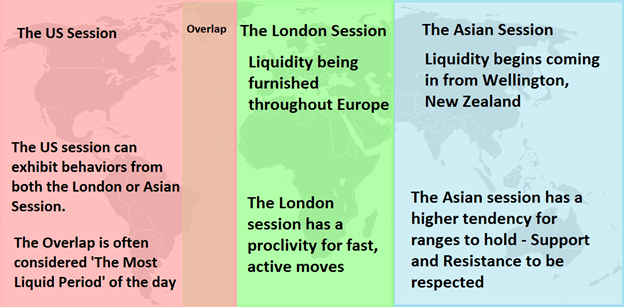
Futures trading takes place in a global 24-hour arena, 해외선물 with the three major sessions occurring across Asia, Europe, and North America. Each session actively participates during its own localized hours of operation to provide investors from all corners of the world access to this lucrative market.

Global market hours are divided into three distinct sessions: the Asian, European, and US trading blocs. Starting with Asia at 11 PM GMT to 8 AM GMT markets such as Tokyo Commodity Exchange and Shanghai Futures Exchange prime for a new day of action. Moving onto Europe from 7 AM – 4 PM GMT, big names like London Metal Exchange (LME) & Intercontinental Exchange (ICE) provide liquidity in abundance while stateside across the pond; The New York Mercantile Exchange (NYMEX), Chicago Mercantile Exchange, etc open their doors 1 pm onwards till 10pmGTM facilitating trade up until sundown!

Trading futures can be an effective way to maximize your finances, but only 선물옵션 if you understand the optimal times for entering and exiting trades. By discerning which markets are open or active at any given time, traders can use this knowledge to determine their trading strategy based on market conditions – helping them optimize profits in line with risk management goals.

Benefits of Trading During Active Hours

With volatility comes opportunity! 해외선물대여계좌To make the most of trading opportunities in futures, stay on top of when markets are at their busiest and most active. During these times you can jump into more trades with higher volumes that result in greater potential for profits from larger price movements.

For the most part, US trading sessions are characterized by high activity and volatility. Moreover, this session is favored for its impressively large volume of trades and liquidity – naturally resulting in a more dynamic price movement as well as an abundance of opportunities to be capitalized on!

European traders have a unique opportunity to capitalize on increased liquidity 해선대여계좌and volatility in the market thanks to overlapping trading sessions. As both American and European markets are open simultaneously, it creates an ideal environment for maximum levels of activity from global investors.

Risks of Trading Outside Active Hours

For traders with day jobs, trading during off-hours may present a viable opportunity for participating in the markets. While active hours bring greater liquidity and more substantial opportunities to profit from price movements, working around your scheduling 해외선물사이트 constraints can help you reap rewards outside of peak times as well.

While trading outside of active hours can boost one’s earning potential, it may also be riskier due to limited liquidity and volume. This could lead to smaller price movements and fewer opportunities for successful trades; plus difficulty entering/exiting positions as well as higher chances of experiencing slippage or sudden fluctuation in prices.

Final Thoughts

Successful futures trading starts with knowing the optimal times to enter and exit markets. By familiarizing yourself with each market session’s characteristics, you’ll be positioned to make informed decisions that will maximize your chances of success as a trader.

Trading during active hours can be advantageous, however, it’s key to recognize that each trader is distinct and has different needs. Crafting a personalized trading strategy tailored specifically for you – with discipline and risk management as your foundation – will ensure success in the face of market volatility.

GO BACK TO THE MAIN PAGE

Effective Roulette Strategies: 토지노사이트 Smarter Betting for Better ResultsEffective Roulette Strategies: 토지노사이트 Smarter Betting for Better Results

토지노사이트

Roulette is one of the most exciting casino games 토지노사이트, known for its spinning wheel and variety of betting options. While it is primarily a game of chance, using strategic betting methods can help players manage risk, make informed bets, and increase their chances of success. This guide explores proven roulette strategies that actually work, helping you play smarter and maximize your gaming experience.

Understanding Roulette Basics

Before applying a strategy, it’s important to know the different types of roulette and how they affect your odds:

  • European Roulette: 37 pockets (1-36 plus a single 0); house edge is 2.7% (better for players).
  • American Roulette: 38 pockets (1-36 plus a single 0 and a double 00); house edge is 5.26% (higher risk).
  • French Roulette: Similar to European but includes La Partage and En Prison rules, reducing the house edge to 1.35% for even-money bets.

For better odds, always choose European or French roulette over the American version.

Top Roulette Strategies That Actually Work

  1. The Martingale System (Aggressive Betting)
    This well-known strategy involves doubling your bet after every loss to recover previous losses and gain a small profit.

How It Works:

  • Start with a small bet on an even-money option (Red/Black, Odd/Even, 1-18/19-36).
  • If you win, keep your bet the same.
  • If you lose, double your bet until you win.

   Pros: Easy to use, good for short-term gains.
   Cons: Requires a large bankroll to withstand long losing streaks; table betting limits can prevent recovery.

  1. The Reverse Martingale (Paroli System)
    This strategy is the opposite of Martingale—you double your bet after a win instead of after a loss.

How It Works:

  • Start with a small bet on an even-money option.
  • If you win, double your bet to maximize winning streaks.
  • If you lose, return to your original bet.

   Pros: Maximizes profit on winning streaks; safer than Martingale.
   Cons: Losing after a big bet can erase previous gains.

  1. The Fibonacci System (Safer Progressive Betting)
    Based on the Fibonacci sequence (1, 1, 2, 3, 5, 8, 13, etc.), this strategy gradually increases bet sizes after losses.

How It Works:

  • Start with 1 unit (example: $5).
  • If you lose, move up to the next number in the sequence.
  • If you win, move back two steps in the sequence.

   Pros: Safer than Martingale; good for even-money bets.
   Cons: Losing streaks can still lead to big bets.

  1. The D’Alembert System (Low-Risk Betting)
    A simple, low-risk system where you increase your bet by 1 unit after a loss and decrease it by 1 unit after a win.

   Pros: Lower risk than Martingale; good for small bankrolls.
   Cons: Profit builds up slowly; long losing streaks can still be costly.

Additional Tips for Smarter Roulette Betting

  1. Choose the Right Roulette Game
  • Play European or French roulette for a lower house edge.
  • Avoid American roulette, as the extra 00 increases the casino’s advantage.
  1. Manage Your Bankroll
  • Set a budget and stick to it.
  • Never bet more than you can afford to lose.
  • Use stop-loss limits to avoid excessive losses.
  1. Stick to Outside Bets
  • Even-money bets (Red/Black, Odd/Even, High/Low) have nearly a 50% chance of winning.
  • Avoid single-number bets unless aiming for high-risk, high-reward wins.
  1. Look for Favorable Casino Rules
  • Casinos offering La Partage or En Prison rules cut the house edge in half on even-money bets.
  • Find tables with lower minimum bets to test strategies without big risks.
  1. Stay Focused and Have Fun
  • Take breaks to avoid impulsive decisions.
  • Don’t chase losses—roulette is a game of chance.
  • Play for entertainment, not just profit.

Final Thoughts: Do Roulette Strategies Really Work?

No roulette strategy can guarantee wins, as roulette is ultimately based on luck. However, these strategies can help you manage your bankroll, make smarter bets, and increase your chances of long-term success.

Here’s a recap of the best strategies:

  • Martingale: Double bets after a loss (high risk, quick recovery).
  • Reverse Martingale: Double bets after a win (maximizes winning streaks).
  • Fibonacci: Uses gradual increases for safer betting.
  • D’Alembert: Low-risk system that increases bets slowly.

The best approach? Play responsibly, use smart betting strategies, and enjoy the game! While roulette is unpredictable, these techniques can help you make the most of your gaming experience.


GO BACK TO THE  MAIN PAGE

The Top IT Certifications to Boost Your CareerThe Top IT Certifications to Boost Your Career

Technology is advancing at a rapid pace and obtaining the right IT certifications is crucial to stay relevant and competitive in the job market. Employers are seeking professionals with specialized skills and knowledge as these are essential in driving innovation across industries. We provide a comprehensive guide that explores the top IT certifications, which can give you a competitive advantage and unlock exciting career opportunities.

1. Cisco Certified Network Associate (CCNA)

“Boost Your Career with Cisco CCNA Certification – Known and Respected by Top Network Professionals!” As a CCNA-certified professional, you’ll validate your expertise in installing, configuring, troubleshooting, and operating medium-sized routed and switched networks. You Will Demonstrate your Competence in LAN and WAN technologies, network security, and IP routing to stand out among your peers!

2. CompTIA A+

The CompTIA A+ certification offers an excellent starting point for those seeking a career in IT support. Covering essential topics like hardware, software troubleshooting, operating systems, networking, and security, this entry-level credential creates a solid foundation of knowledge. By obtaining this certification, you showcase your ability to maintain and troubleshoot computer systems. It prepares you for a range of roles, such as support technician or help desk specialist.

3. Certified Information Systems Security Professional (CISSP)

As the threat landscape continues to expand, possessing the CISSP certification signifies your mastery and adeptness in the domain of information security. This credential spans essential subjects such as risk and security management, cryptography, asset security, and network security. Holding a CISSP certification showcases your dedication to safeguarding establishments against the ever-changing security landscape and puts you in high demand as an esteemed cybersecurity expert.

4. Project Management Professional (PMP)

If you’re looking to advance your career in IT project management, obtaining a PMP certification is a must-have. Widely recognized across the globe, this certification demonstrates your ability to effectively lead and manage projects, ensuring they are completed within scope, time, and budget constraints. PMP-certified professionals excel in project initiation, planning, execution, monitoring, and closure, making them an invaluable asset to any organization. Don’t miss out on the opportunity to set yourself apart and showcase your skills with a PMP certification.

5. Microsoft Certified: Azure Administrator Associate

With cloud computing taking the IT industry by storm, the need for Azure administrators is increasing at a rapid pace. The Microsoft Certified: Azure Administrator Associate certification is proof that you have the skills to manage Azure subscriptions, implement virtual networks, strengthen identities, and improve cost efficiency. Possessing this certification showcases your ability to efficiently use Microsoft Azure’s advanced capabilities and establishes you as a competent cloud administrator.

6. Certified Ethical Hacker (CEH)

Protecting organizations from cyber threats is vital, and ethical hacking is a crucial part of that defense. With the CEH certification, you’ll gain the essential knowledge and skills needed to identify vulnerabilities and proactively secure systems. The CEH training encompasses various hacking techniques, including footprinting, scanning, enumeration, and system hacking. By becoming a Certified Ethical Hacker, you’ll demonstrate your unwavering dedication to safeguarding critical information assets while improving the overall security posture of organizations.

7. AWS Certified Solutions Architect – Associate

Join the elite group of cloud computing specialists by becoming an AWS Certified Solutions Architect – Associate. This highly coveted certification recognizes your mastery in architecting scalable, fault-tolerant systems on AWS, as well as your ability to design secure and cost-effective applications that leverage AWS services. Demonstrate to the industry that you have what it takes to drive business success with AWS.

8. Certified Data Professional (CDP)

In today’s world of big data, organizations require talented experts to uncover insights and facilitate well-informed decision-making. Achieving the Certified Data Professional certification showcases your proficiency in data analysis, visualization, and management. It encompasses crucial knowledge areas such as data governance, data quality, data modeling, and data ethics. Holding this certification positions you as a reliable data professional with the ability to extract valuable insights from data.

9. Google Certified Professional Cloud Architect

With the growing adoption of cloud technologies among organizations, there is a high demand for skilled cloud architects. And that’s where the Google Certified Professional Cloud Architect certification comes in. By earning this certification, you demonstrate your exceptional ability to design and manage scalable, secure, and highly available cloud solutions on the Google Cloud Platform. This validation showcases your prowess in deploying cloud infrastructure and applications using industry best practices, resulting in optimal performance and cost efficiency.

10. ITIL Foundation

Looking to enhance your expertise in IT service management? ITIL (Information Technology Infrastructure Library) is a proven and widely used framework known to provide the comprehensive knowledge necessary for the field. The ITIL Foundation certification, in particular, offers a full understanding of IT service lifecycles, processes, and industry best practices. By gaining this expertise, you align IT services with business goals, improve service quality, and continually drive improvement. When holding this certification, shows your dedication to delivering valuable IT services to better any organization.

Gain a competitive edge in the job market and level up your career prospects with the right IT certifications. This comprehensive guide highlights some of the most coveted credentials in the industry, showcasing your expertise in key areas and increasing your value as a skilled professional. Don’t miss out on the opportunity to stand out and enhance your career with these sought-after certifications.

In the IT industry, being knowledgeable about the latest technologies and holding relevant certifications is crucial. To advance in this dynamic field, take on new challenges, consistently expand your knowledge, and grab opportunities to push your career forward. Stay excited and stay ahead.

GO BACK TO HOME